What to Do If You Notice a Leak in Your Home
Eight steps to take, in order, the moment you find water where it should not be.
October 1, 2026 · 4 min read
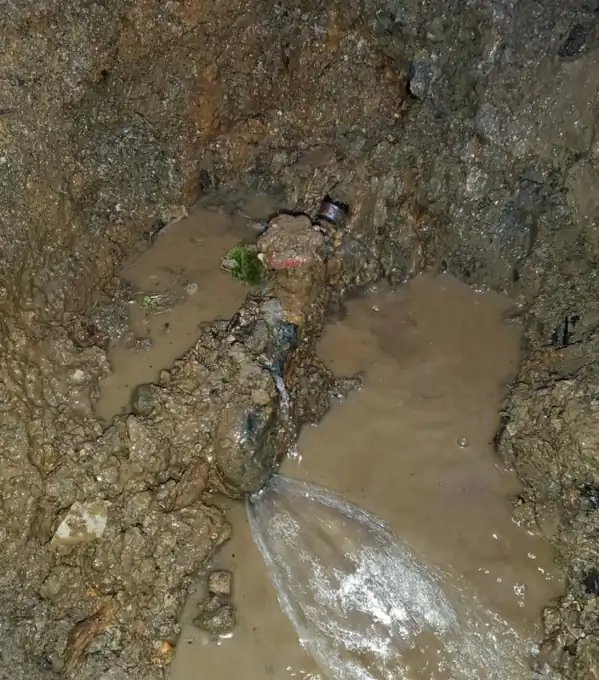
A leak in your home never picks a good time. It might be a damp patch on the ceiling after a long weekend, a faucet that will not stop, or a spray from a fitting in the garage. Whatever the source, the first few minutes matter. Quick action limits the damage and keeps a repair from turning into a rebuild. Here is the order of steps to follow, whether you live in Springdale, Rogers, Fayetteville or anywhere else in Northwest Arkansas.
1. Turn Off the Water Supply
The first move is to shut off the water. Find the main shut-off valve, which is usually near your water meter or where the main line enters the house. Closing it stops the leak from getting worse and helps prevent flooding. Learn where yours is before you need it, because a leak is a bad time to start hunting through a crawl space or a garage wall.
2. Assess the Situation
Take a calm look at what you are dealing with. Is it a slow drip from a faucet, or is water pooling on a floor or running down a wall? Leaks come from fixtures, supply lines, drain lines, appliances and sometimes the roof. Work out where the water is coming from and where it is ending up, because those are not always the same place.
3. Contain the Water
With the water off, limit the damage. Put towels down, set buckets under drips, and mop up standing water before it soaks into flooring and baseboards. Move rugs, furniture and anything valuable out of the wet area. If a ceiling is bulging with trapped water, keep people from standing underneath it.
4. Check for Electrical Hazards
Water and electricity do not mix. Look at whether the water is near outlets, switches, light fixtures, power strips or appliances. If it is, turn off the power to that area at the breaker panel, but only if you can reach the panel without standing in water. If the panel itself is wet, or you are not sure how to do this safely, stay out and wait for a professional plumber or electrician to assess the situation.
5. Call a Professional Plumber
Some minor leaks, like a loose supply connection under a sink, can be handled with a do-it-yourself fix. Larger leaks, and any leak you cannot see, belong with a professional. Hidden leaks inside walls, ceilings and floors, or in the ground between the meter and the house, are where guesswork gets frustrating fast.
Masters of Disasters offers leak detection for exactly this situation. Their crew uses electronic leak detection that works behind walls and under slabs without opening them up, camera inspections, and water pressure testing to find the source before anyone starts cutting or digging. They also offer a complimentary leak evaluation, so you can learn what is happening without committing to a repair first. One customer wrote in a Google review, “I like how knowledgeable they are,” after the crew found a leak she did not know existed.
6. Document the Damage
If the leak has damaged anything, take photos and video before you clean up: the source, the wet areas, stained ceilings, damaged belongings. Get wide shots and close-ups, and note the date. This record helps when you file a claim with your homeowner's insurance, especially if the damage is extensive or mold turns up later.
Keep receipts for emergency supplies and repair work, and call your insurance company to ask how they want a claim started. Do not throw out damaged items until you have photographed them and, if the insurer asks, given them a chance to look.
7. Dry Out the Affected Area
Once the leak is repaired, dry everything out as quickly as you can. Run fans, set up dehumidifiers, open windows when the weather allows, and keep air moving across wet drywall, carpet and cabinets. Mold and mildew need moisture and time to take hold, and fast drying takes both away.
For severe water damage, soaked insulation, or materials that have been wet for a while, you may need a professional water damage restoration service. A plumber fixes the pipe. A restoration crew deals with the building materials the water reached.
8. Prevent Future Leaks
After the emergency, set yourself up so it does not repeat. Walk through your home on a regular schedule and look at the places leaks like to start:
- Under kitchen and bathroom sinks, where supply lines and drain connections live
- Around toilet bases and behind the toilet tank
- Behind the washing machine, including the hoses
- Around the water heater and the pipes leaving it
- At outdoor hose bibs and in the yard between the meter and the house
- On ceilings and walls below bathrooms, looking for new stains
Watch your water bill too. A rise that nothing in your routine explains can be the first sign of a leak you cannot see. Routine maintenance and inspections catch small problems before they become major headaches, and a small problem caught early is nearly always an easier visit.
Masters of Disasters offers a free leak evaluation; call (479) 659-5002. The crew works out of Springdale and serves homes across Northwest Arkansas. The Water Leak Detection & Repair page on this site explains how they find the source before anything gets opened up.
Masters of Disasters Leak Detection, Plumbing & Air, (479) 659-5002
Call (479) 659-5002More articles
9 Signs of a Hidden Water Leak in Your Home
Most leaks give clues long before they give puddles, if you know what to look for.
When Your Water Line Needs Replacing: Meter to House
The pipe you never see can fail quietly, and replacing it is a bigger project than most homeowners expect.